The Importance of Children's Stories in Personal Development: Expert Guide
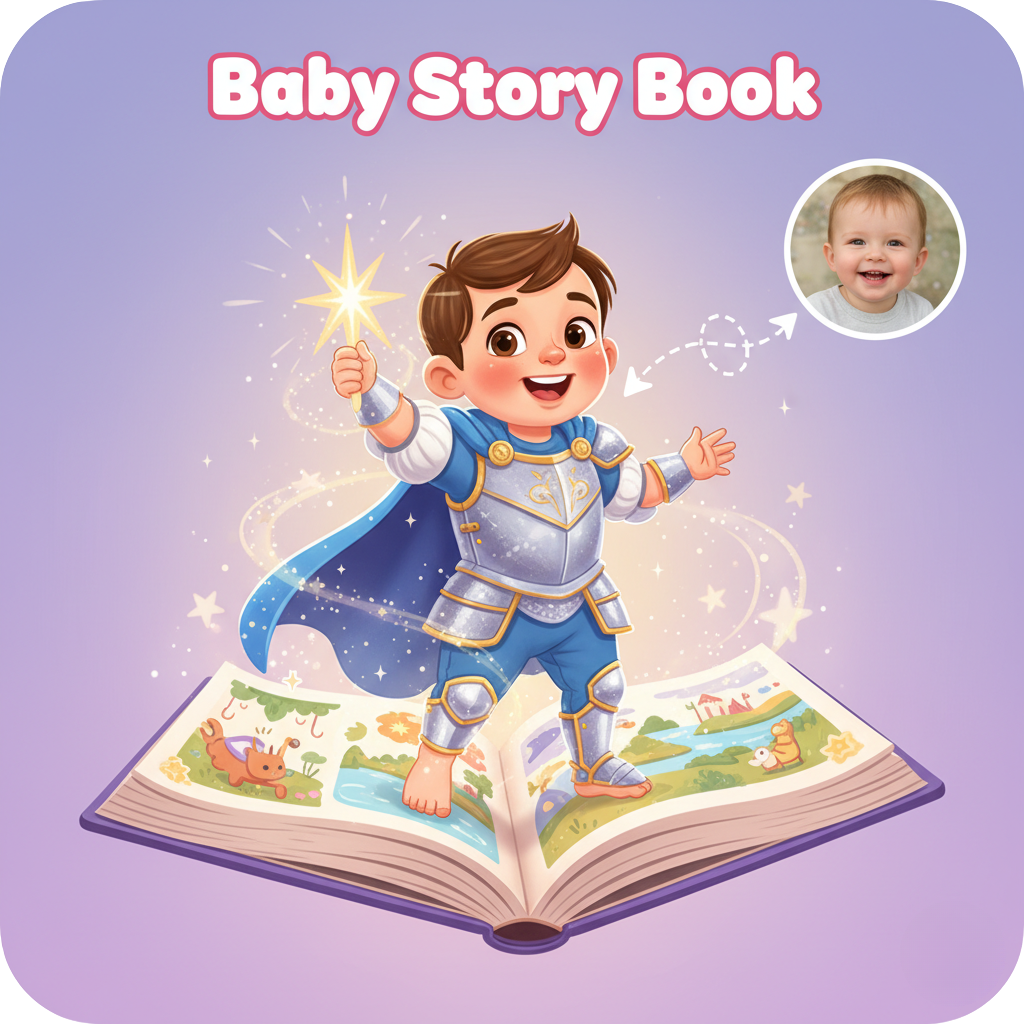
The importance of children's stories in personal development is an increasingly recognized fact. These stories help children make sense of the world, develop their emotional intelligence, and internalize moral values. As parents, benefiting from the power of stories while guiding our children on their growth journey is an invaluable investment.
Contributions of Children's Stories to Cognitive Development
Stories provide multifaceted contributions to children's cognitive development:
- Language Development: They learn new words and understand sentence structures. Stories broaden children's vocabulary and improve their language skills.
- Imagination and Creativity: They imagine different worlds and characters. This enhances their problem-solving abilities.
- Attention Span: They learn to concentrate while listening to stories. This is crucial in their school life and other learning processes.
- Problem-Solving Skills: By observing the problems faced by characters in stories and their solutions, they learn to solve problems on their own.
What Should We Pay Attention to When Choosing Stories?
When choosing a story for your child, in addition to its suitability for their age group, you should also pay attention to the pedagogical correctness of its content. You should avoid stories that contain violence, discrimination, or frightening elements. [List of reliable children's books] Instead, you should prefer stories that highlight values such as love, respect, tolerance, and give positive messages.
The Role of Children's Stories in Emotional Development
Stories play a critical role in helping children develop their emotional intelligence:
- Empathy Ability: They try to understand the feelings of the characters in the stories. This improves their ability to understand and share the feelings of others.
- Emotion Management: Stories help children recognize different emotions (fear, sadness, joy, anger) and develop strategies to cope with these emotions.
- Self-Confidence: The successes of the heroes in the stories make children believe in their own abilities.
- Social Skills: They learn social behaviors such as sharing, cooperation, and helping.
What Should We Pay Attention to During Story Reading?
Don't see story reading moments as just an activity. These moments are a great opportunity to connect with your child, communicate with them, and show them that you value them. During reading, answer your child's questions, chat about the story, and talk about the characters' feelings. [Story reading techniques] This will increase the impact of the story and support your child's learning process.
Children's Stories and Values Education
Children's stories are an important tool in values education. Through stories, children:
- Learn basic values such as Honesty, Justice, Respect, Love, Tolerance, Responsibility.
- Learn to distinguish between Right and Wrong.
- Learn to make Moral Decisions.
Which Types of Stories Are More Suitable for Values Education?
For values education, animal tales, fables, mythological stories, and stories adapted from real life are quite suitable. These types of stories are usually written in simple and understandable language and contain moral lessons that children can easily understand. [Examples of values education stories] What is important is that the story is appropriate for your child's age and development level and presents them with a positive example.
Supporting Personal Development with Stories: Recommendations for Parents
Here are some recommendations for parents to make the most of the power of children's stories:
- Create a Regular Reading Time: Get into the habit of reading stories at the same time every day.
- Involve Your Child in Story Selection: Allow them to choose books that suit their interests.
- Tell the Story Vividly: Change your tone of voice, use your facial expressions.
- Chat After the Story: Talk about the characters, events, and the message of the story.
- Tell Your Own Stories: Share memories from your childhood, stories of your family elders.
Remember, children's stories are not just a fun activity, but also an important investment in their personal development. By reading stories to your children, you can enrich their worlds, develop their imaginations, and shape their character. Start today and embark on this magical journey together!

Our Mobile Apps
Create your story from your phone